gridproventures.com

Knowledge Hub

Energy Transition

Energy Transition: The Shift from Generation to System Thinking

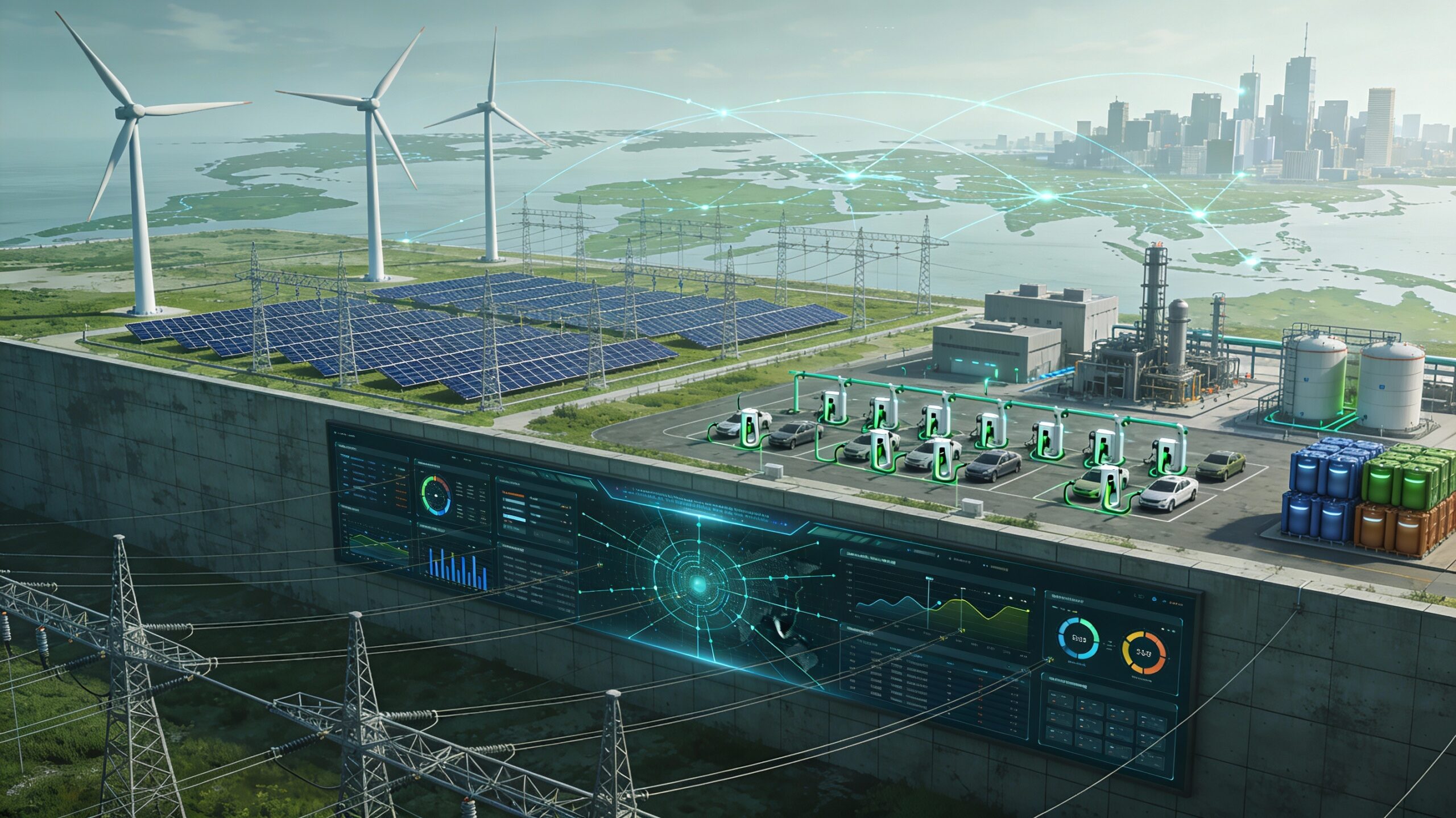
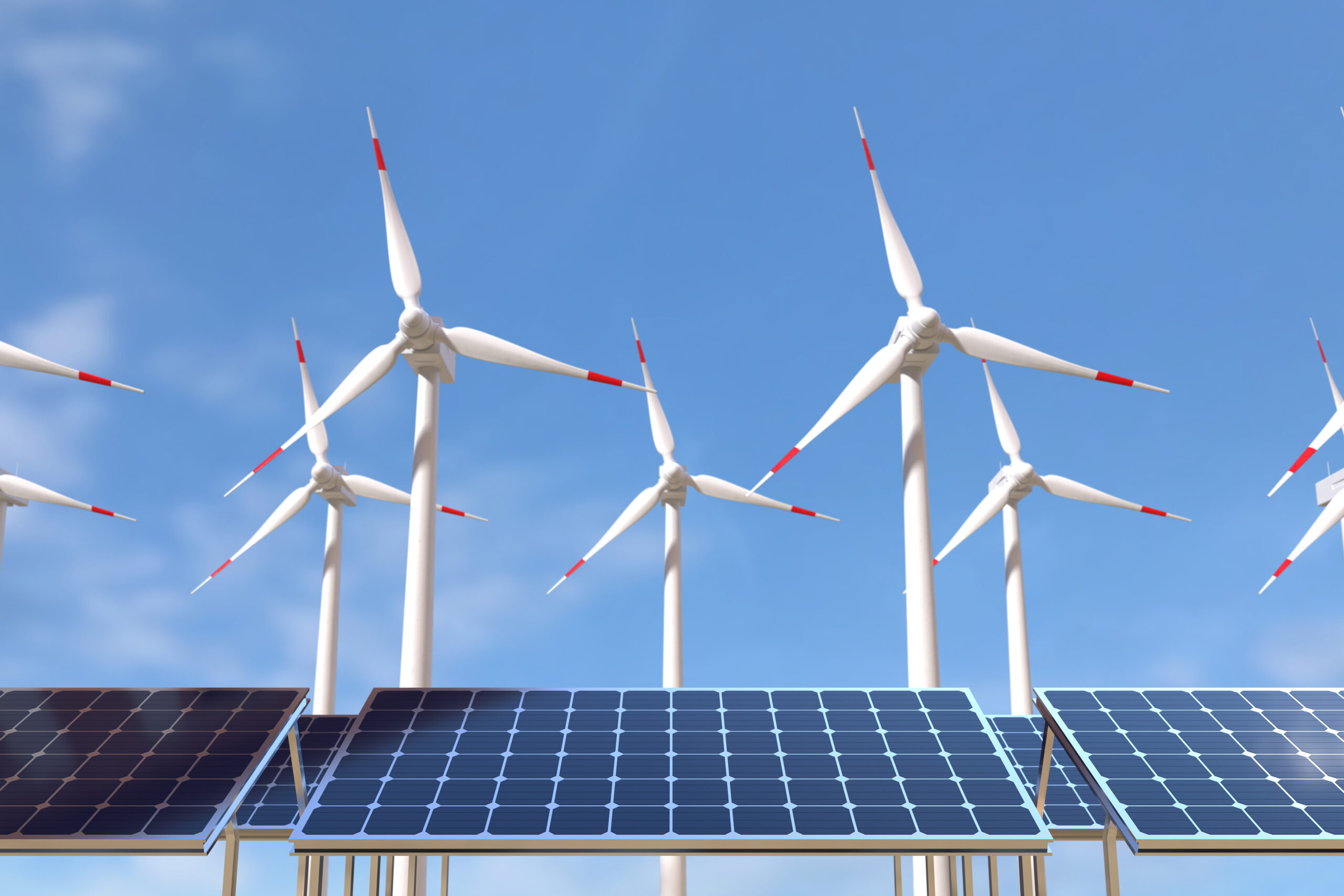
Energy transition is no longer only about replacing fossil generation with renewable sources. It represents a system-wide transformation of how electricity is generated, transmitted, stored, and consumed.

Key drivers include:

  • Large-scale integration of wind and solar
  • Electrification of transport and industry
  • Cross-border power exchange
  • Decentralized and digitalized grids

The success of energy transition increasingly depends on grid strength, flexibility, and controllability rather than generation capacity alone.

Why Energy Transition Projects Face Execution Risk?

  • Renewable projects are often delayed due to grid unavailability
  • Weak grids limit renewable penetration
  • Transmission constraints lead to curtailment
  • Investors face uncertainty without grid clarity

This makes FACTS, BESS, and HVDC essential enabling technologies for energy transition.

GLOBAL HVDC PROJECT PROCESS & TIMELINE

Understanding the Global HVDC Project Lifecycle

HVDC projects are complex, capital-intensive programs typically spanning 6 to 10 years from concept to commissioning.

01

System Need Identification and Policy Alignment

02

Conceptual and Corridor Studies

03

Technology Selection (LCC vs VSC)

04

Environmental and Regulatory Approvals

05

EPC and OEM Contracting

06

Manufacturing and Site Execution

07

Testing, Commissioning, and Grid Integration

TECHNOLOGIES THAT SUPPORT ENERGY TRANSITION

FACTS — Flexible AC Transmission Systems

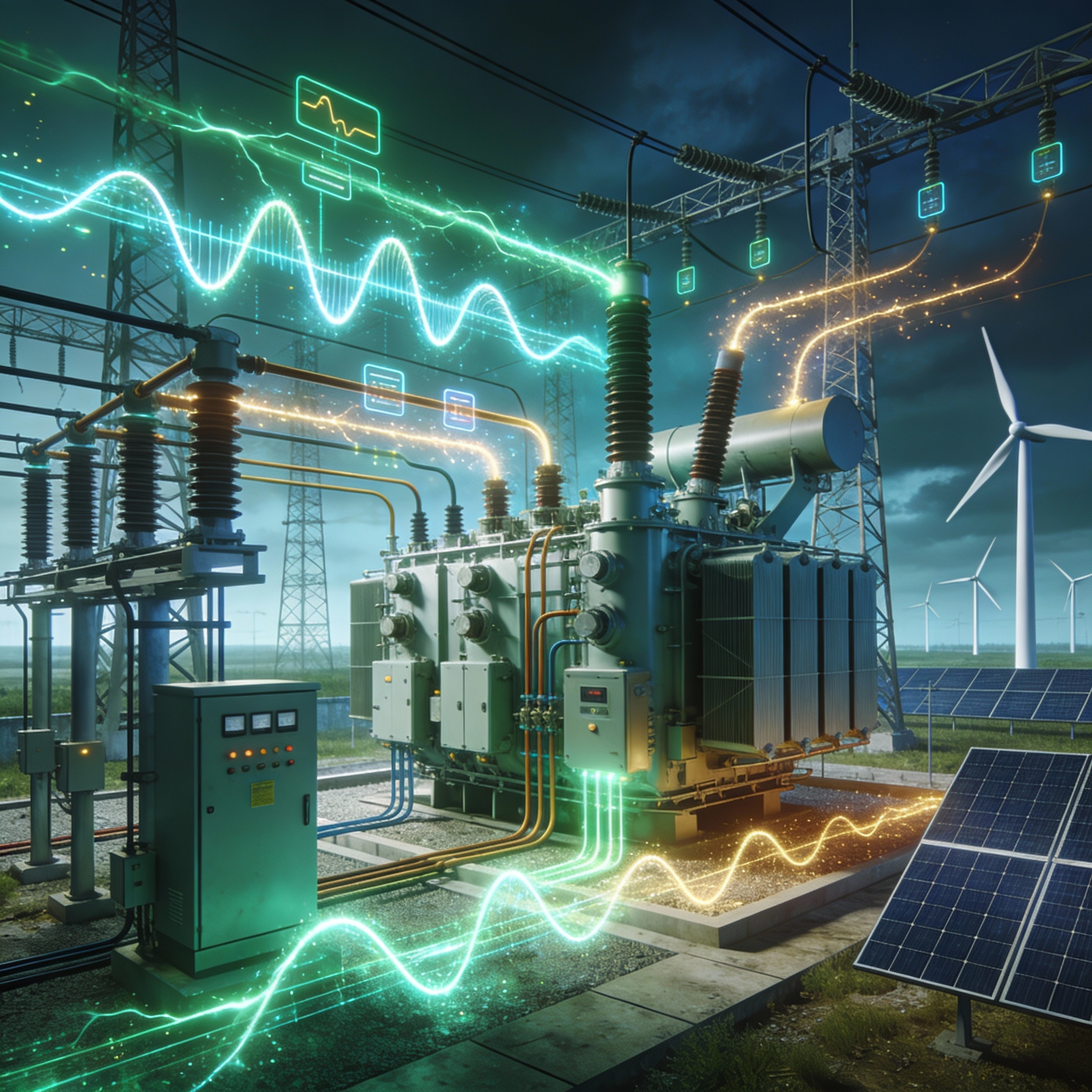
FACTS technologies improve the dynamic performance of AC transmission networks by controlling voltage, reactive power, and power flows in real time.

In renewable-heavy grids, FACTS help:

  • Stabilize voltage during rapid solar and wind fluctuations
  • Increase transmission corridor capacity without new lines
  • Improve fault ride-through capability
  • Meet increasingly stringent grid codes

Where FACTS Add Maximum Value

  • Renewable pooling substations
  • Weak grids with low short-circuit strength
  • Urban and industrial load centers

Relevance for Target Audiences

  • Developers – faster grid approvals and reduced curtailment
  • EPCs – improved grid compliance and reduced redesign
  • Consultants – system-level optimization and advisory

BESS as a Core Enabler of Renewable Integration

Battery Energy Storage Systems convert intermittent renewable generation into dispatchable and reliable energy. Beyond energy shifting, BESS provides critical grid services.

Key Applications of BESS

  • Renewable firming and peak shifting
  • Frequency regulation and grid balancing
  • Congestion management
  • Deferred transmission investments

Strategic Considerations

  • Power vs energy duration optimization
  • Revenue stacking across grid and market services
  • Integration with FACTS and HVDC infrastructure

Relevance for Target Audiences

  • Renewable developers – improved project bankability
  • Utilities – grid flexibility and resilience
  • Product suppliers – entry into integrated system solutions

HVDC: The Backbone of Large-Scale Energy Transition

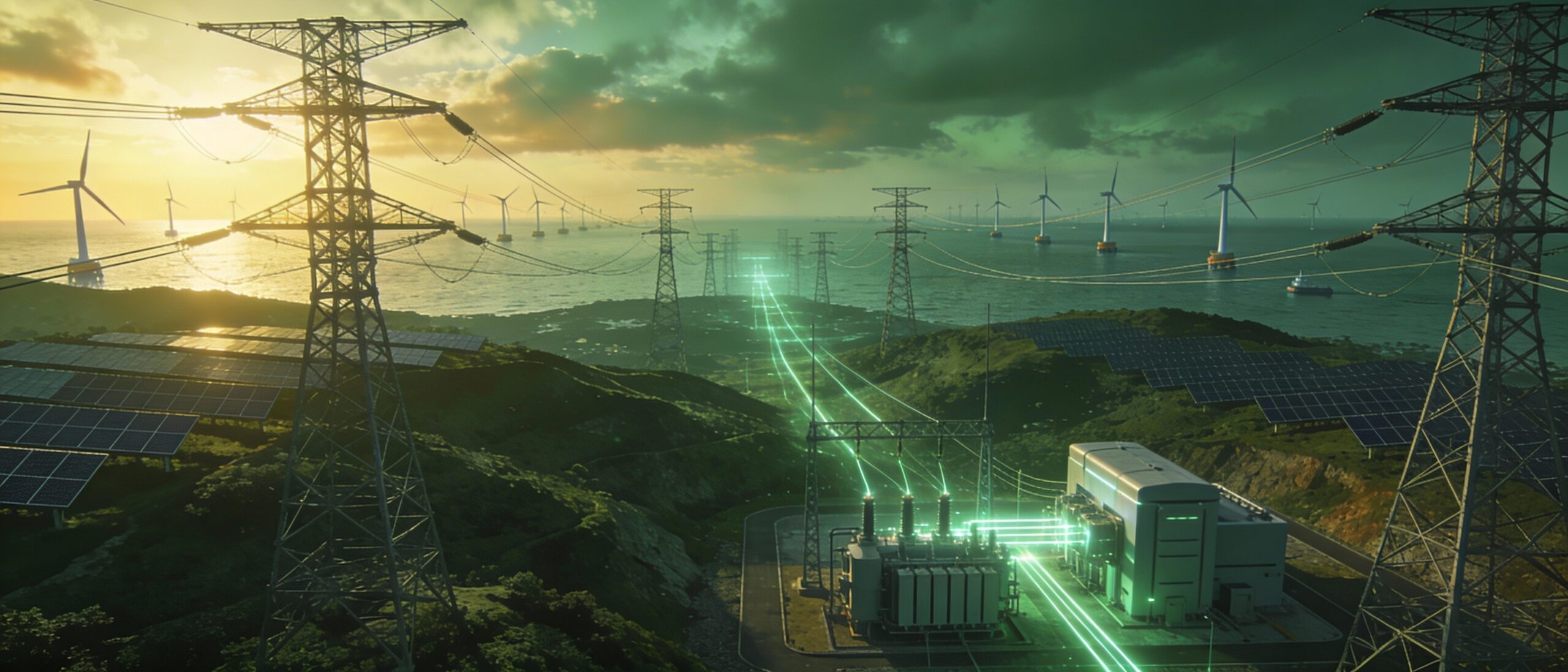
HVDC technology enables efficient transmission of large volumes of electricity over long distances and across asynchronous grids.

HVDC is essential for:

  • Bulk renewable evacuation from remote locations
  • Offshore wind power integration
  • Cross-border and regional interconnections
  • Controlled power flow and reduced losses

Without HVDC, large scale renewable deployment and net-zero targets become structurally constrained.

REGIONAL & GLOBAL HVDC OPPORTUNITY LANDSCAPE

Where the Opportunities Are Emerging

  • Asia-Pacific: offshore wind and long-distance corridors
  • Europe: interconnectors and grid reinforcement
  • Middle East & Africa: renewable evacuation and grid build-out

These regions present opportunities across:

  • Technology supply
  • EPC execution
  • Consulting and advisory
  • Local manufacturing partnerships

Future of HVDC Technology & Global Super Grids

The Next Frontier of Energy Transmission

As countries accelerate renewable adoption, HVDC has become the backbone of long-distance, high-capacity, and cross-border power transfer. Advances in converter technology, grid-forming systems, and offshore wind connectivity are reshaping global energy strategies.

Insights Delivered

  • Technology readiness assessments
  • Cost–benefit and feasibility models
  • Regulatory outlook across global markets
  • Benchmarking of OEM & EPC competitiveness

Key Themes

Large, interconnected regional grids linking nations and continents through HVDC corridors for reliable, low-carbon power exchange.
Asia’s rising demand, renewable potential, and regional collaboration enable large-scale HVDC, offshore wind evacuation, and cross-border transmission investments.
HVDC is the de-facto solution for offshore wind hubs, with VSC technology enabling grid support, scalability, and future-ready multi-terminal systems.
OEM and EPC dynamics are reshaping global competition, influencing pricing, delivery timelines, and technology maturity.

Asia HVDC Opportunity Landscape

Why Asia Will Lead the Next HVDC Growth Wave

Asia is witnessing unprecedented power demand growth, aggressive renewable targets, and large investments in grid modernization—making it the world’s most attractive HVDC market.

What Gridpro Brings

  • Market entry strategies for OEMs, EPCs, and system suppliers
  • Partnership development and regulatory navigation
  • Feasibility studies and competitive intelligence
  • Technology and cost benchmarking for Asia-focused investments

These insights align with Gridpro’s advisory approach for suppliers and project developers seeking scale in high-growth markets. Gridpro Website Content Layout

Regional Opportunity Highlights

Massive upcoming HVDC links for renewable evacuation, offshore wind integration, and inter-state system balancing across India’s expanding green power network.
Rapid expansion of long-distance, high-capacity HVDC lines and advanced multi-terminal systems supporting large-scale power transfer.
Offshore wind development and grid decarbonization are driving demand for sophisticated HVDC interconnections and resilient transmission solutions.
Emerging opportunities in Laos–Thailand–Malaysia–Singapore corridors and broader ASEAN grid integration initiatives.

Thought Leadership Blogs

The blog section features perspectives at the intersection of strategy, technology, and execution excellence.

HVDC & Power Sector Outlook

How Technology Evolution and Market Dynamics Are Redefining the Global Energy Landscape Executive Summary HVDC transmission is becoming the backbone of

Read More